

Celebrating Excellence: 2026 Dr. Martin Luther King Jr. Essay Contest Winners
The Black Faculty, Staff and Administrators Network is proud to announce the winners of the Dr. Martin Luther King Jr. student essay contest.
- First place: Zander Blackman
- Second place: Meskerem Aleme
- Third place: Kenneth Larkins
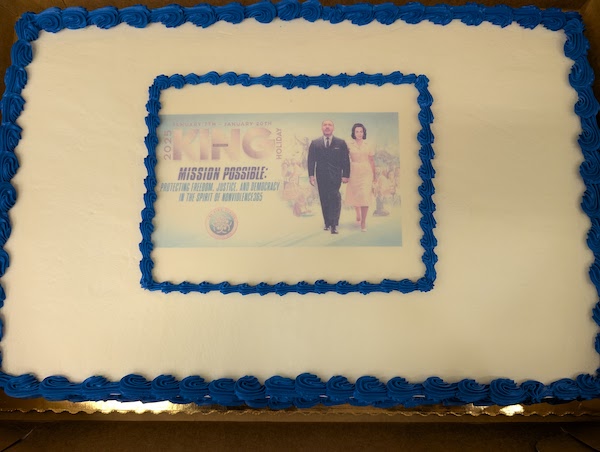
Essays were judged on creativity, content and coherence with the theme —“Mission Possible: Protecting Freedom, Justice and Democracy in the Spirit of Nonviolence.”
The students were honored at the Dr. Martin Luther King Jr. celebration held on Jan. 15.
Zander Blackman
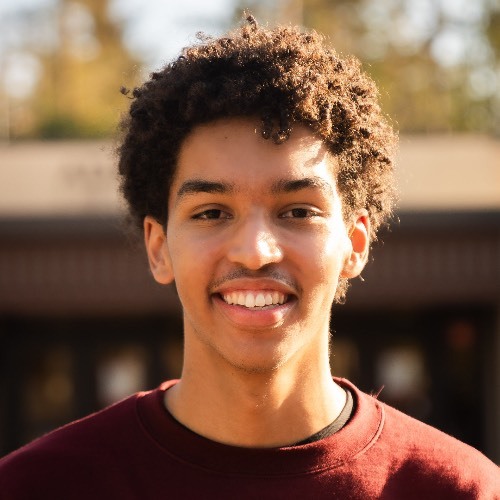 Zander is a second-year Business major who enjoys going to the gym, playing video
games and listening to music. Zander also plays the saxophone and is currently learning
how to play the guitar.
Zander is a second-year Business major who enjoys going to the gym, playing video
games and listening to music. Zander also plays the saxophone and is currently learning
how to play the guitar.
Read Zander's essay
Martin Luther King Jr.’s impact on the past and future.
Martin Luther King Jr.'s impact is still being felt to this day through his works. In celebration of Dr. King’s upcoming birthday, I wanted to highlight the significance of his fight to see change.
A key event that helped Dr. King embody his nonviolence mantra was the Selma to Montgomery March. Jimmie Lee Jackson, a Black protester, was murdered for demanding Black voting rights. After Jackson's murder, Dr. King and the Southern Christian Leadership Conference planned a march to support this cause. Unfortunately, the police brutally beat the marchers. Not until the National Guard protected the marchers did the violence stop. Even though the protestors were getting battered, they didn't attack back. These protests led to the Voting Rights Act of 1965, banning racial discrimination in voting. In the face of senseless violence, the protesters stood their ground and never wavered, completing their march. This embodies Dr. King's ideal of nonviolence while standing for justice.
Recently, we’ve seen Dr. King's teachings through the Black Lives Matter protests. Police brutality is always a talking point due to the injustices Black people face every day in America. The murder of George Floyd by police caused outrage across all races, not only in the Black community. This event highlighted to all people the history of racism Black people face in this country. With this movement, it just became more visible. It is estimated that 15 to 26 million people protested this treatment amidst a global pandemic. Though there were some violence and riots, a large majority of the protests were peaceful and fought for change within our system. The BLM protests were also heavily covered in the news all over the world, further spreading knowledge about the injustices that Black Americans face. These protests made America, and the world, realize that racism does still exist in the country, and that it can be protested in a nonviolent manner, like what the civil rights movement did for Black people in America.
The ideals of Dr. King spread outside of the Black community, too. The recent rise of ICE taking away people who are illegal immigrants, or in some cases, U.S. citizens, has caused people to start to stand up to ICE. Even though you could be doing your citizenship process correctly, the government could still hold you in a detention center for no reason for as long as they want. With more families being senselessly taken away from each other, people started to protest ICE. Whether through protesting or making sure their community knows about ICE in their neighborhood, people are standing up to the injustice that is happening to people. Dr. King's values for standing up to injustice peacefully are still happening to this day, highlighted by the Black Lives Matter and ICE protests. Though Dr. King was assassinated along with many civil rights protesters, their ideals and goals will never die out. People will keep following in the footsteps of King and fight for the injustices that plague them.
References
Buchanan, Larry. “Black Lives Matter May Be the Largest Movement in U.S. History.” The New York Times, 3 July 2020, https://www.nytimes.com/interactive/2020/07/03/us/george-floyd-protests-crowd-size.html.
History.com Editors. “Selma to Montgomery March - MLK, Purpose & Distance | HISTORY.” HISTORY, 28 Jan. 2010, https://www.history.com/articles/selma-montgomery-march.
Meskerem Aleme
Meskerem is a first-year Nursing major who plans to become a registered nurse. Meskerem is interested in health care and enjoys helping others.
Read Meskerem's essay
Protecting freedom, justice, and democracy in the spirit of nonviolence
Throughout history, movements for freedom and justice have shown that lasting change can happen when ordinary people choose nonviolence over fear and hatred. Today, as our society faces deep political divisions, discrimination, and threats to democratic participation, principles that support nonviolence can lead the way. Defending democracy is not just done in courts or government buildings; it is also done by individuals who make decisions for dignity, understanding, and peaceful participation.
Resistance is often misinterpreted as weakness, but it is actually a strong and disciplined approach based on courage. Leaders like Dr. Martin Luther King Jr., Mahatma Gandhi, and Nelson Mandela demonstrated that opposing injustice without harming others can change entire nations. Their movements were successful not only because of speeches or demonstrations, but because they challenged oppressive systems while respecting the humanity of those they opposed. This example is especially important now, when social media and political systems make it easy to dehumanize each other.
To protect freedom and democracy today, we must practice resistance in action and in communication. This means supporting fair policies, voting rights, and equal treatment, and not using intimidation or hatred. As Dr. Martin Luther King Jr. said, “Nonviolence is a powerful and just weapon. Indeed, it is a weapon unique in history, which cuts without wounding and ennobles the man who wields it.” His message emphasizes that standing up for justice is not done in anger or conflict. It means speaking out when we are discriminated against in our communities and campus. But doing so with compassion and respect. Resistance does not require silence; it requires thoughtful action that seeks justice without repeating the harm we are trying to prevent.
Education also plays a critical role in protecting democracy. When students learn positive thinking, media literacy, and the value of diverse perspectives, they are better equipped to challenge misinformation and protect democratic processes. At De Anza College, our faculty brings together students from many cultures, languages, and life experiences. This diversity allows us to practice peaceful dialogue every day. Listening to each other, even when we disagree, builds a community where freedom and justice flourish.
Another essential element of protest democracy is shared responsibility. No individual can protect freedom alone. We need communities willing to cooperate, vote, organize, and fight for justice. Protest teaches us that progress comes not from controlling others, but from lifting each other up. When we support marginalized groups, protect civil rights, and ensure that everyone has a voice, we strengthen the foundations of democracy for future generations.
Ultimately, defending freedom, justice, and democracy through protest is not just a social responsibility; it is also a personal commitment. It requires patience, courage, and a willingness to see humanity in everyone, even when there are things we disagree with. Nonviolence invites us to imagine a society where conflict leads to understanding rather than destruction. By choosing compassion and inclusion over revenge, we honor the movements that paved the way for our rights today and help build a more peaceful and just future.
Works Cited
King, Martin Luther, Jr. “The quest for peace and justice.” The Nobel Prize, 11 December 1964
https://www.nobelprize.org/prizes/peace/1964/king/lecture/
Learn more about this year's Martin Luther King Jr. Holiday
2025 King Day Event
A Talk With Kenneth Wesson, Ph.D.
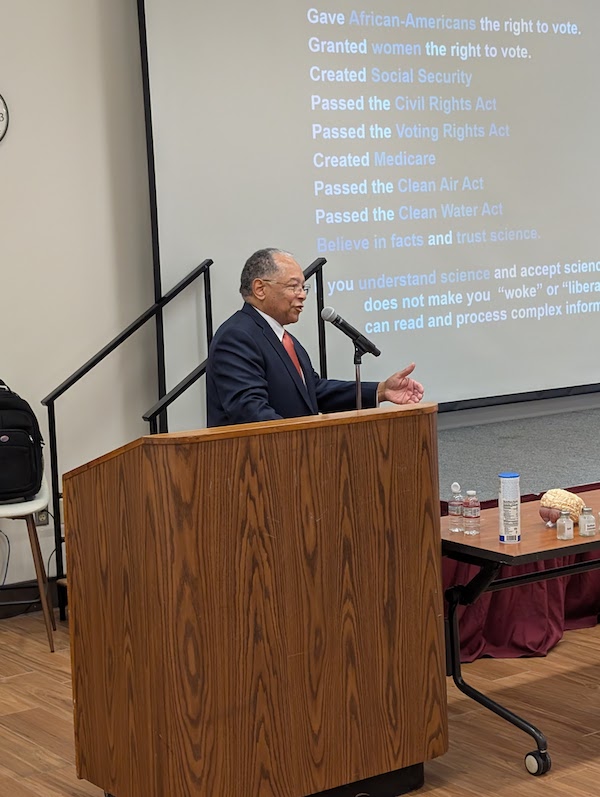
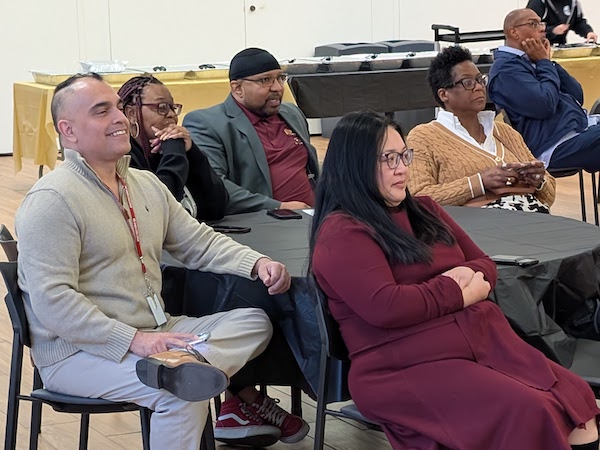
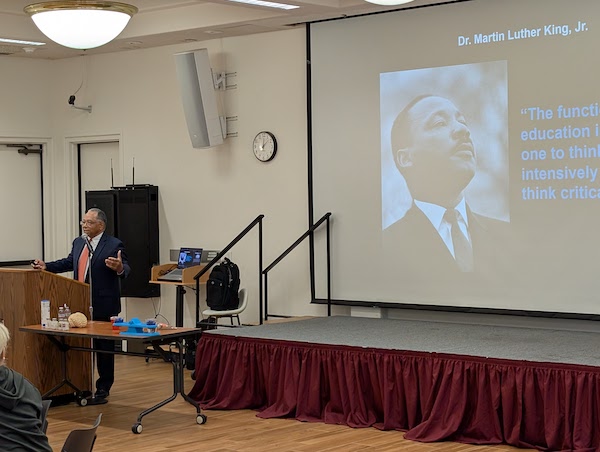
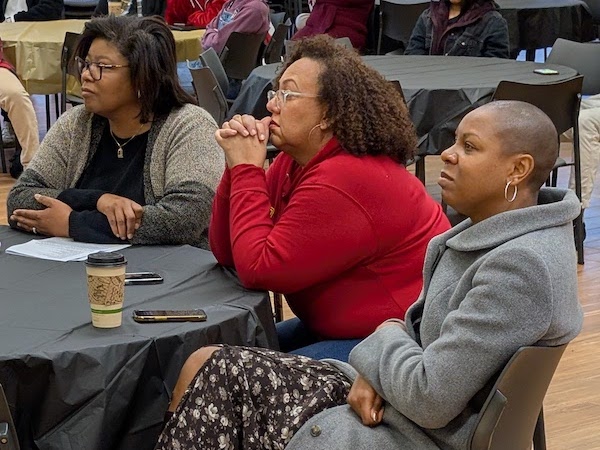
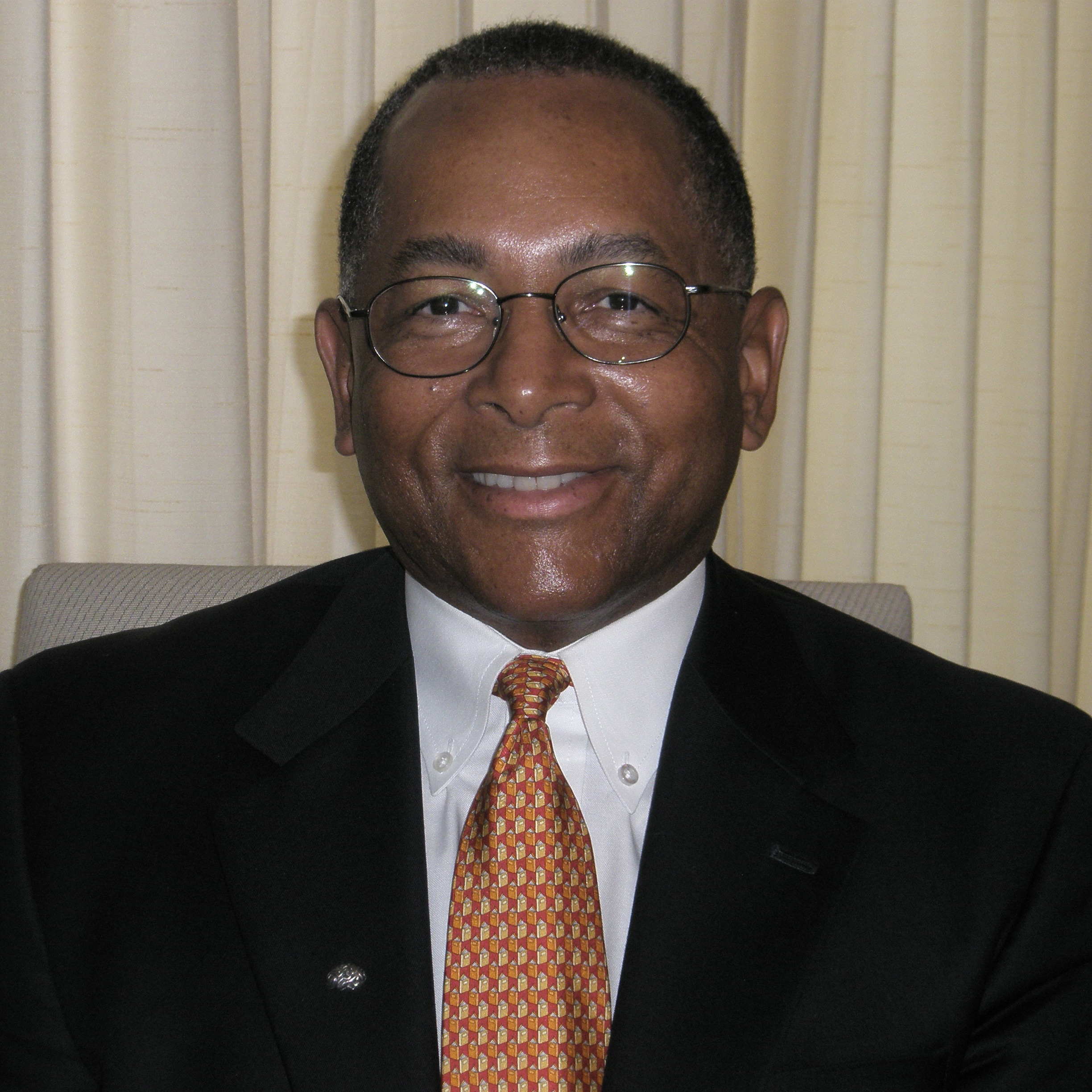 The BFSA Network invited guest speaker Kenneth Wesson, Ph.D., to help celebrate the legacy of Martin Luther King Jr.
Wesson, an educator who has studied neuroscience and learning, gave a talk on Wednesday, Jan. 15, 2024, in Conference Rooms A&B of the Campus Center.
He spoke about the human brain, thinking patterns and social justice. Often, he said, "we see things in the way that we wish to ... Seeing things one way doesn't make them right."
About Kenneth Wesson
Kenneth Wesson, Ph.D., is a former higher education faculty member and administrator. He delivers keynote addresses on the neuroscience of learning for educational organizations and institutions throughout the United States and overseas.
Wesson regularly addresses educational organizations, counseling associations, school districts and parenting organizations on the subject of "brain-considerate" learning environments. In addition to his speeches on the neuroscience of learning, Wesson speaks on the subjects of early brain development, design and engineering, STEM and STREAM, social-emotional learning and curriculum development. He is an active member of Scientists without Borders and has been featured in PBS specials on human learning and the teenage brain. In 2017, Wesson was nominated to receive the Marquis Who's Who Lifetime Achievement Award.
2024 King Day Event
Educator and consultant Joe Canton was the guest speaker at a campus event honoring the legacy of Martin Luther King Jr. The event on Jan. 11, 2024, was organized by the BFSA.
We shall overcome because the arc of the moral universe is long, but it bends toward justice.
- Martin Luther King Jr.