

Soul Food for Thought: A Celebration of Black History
Every Wednesday during Black History Month, the Black Faculty, Staff and Administrators Network will highlight the rich roots of African and African American culture through food in our weekly series, "Soul Food for Thought." Each installment shares meaningful facts and stories that reflect the history, resilience and traditions behind the foods that have nourished our communities. We hope these stories enrich your understanding, and invite you to see our shared history through the same lens of pride and appreciation that we do.
Greens and Cornbread
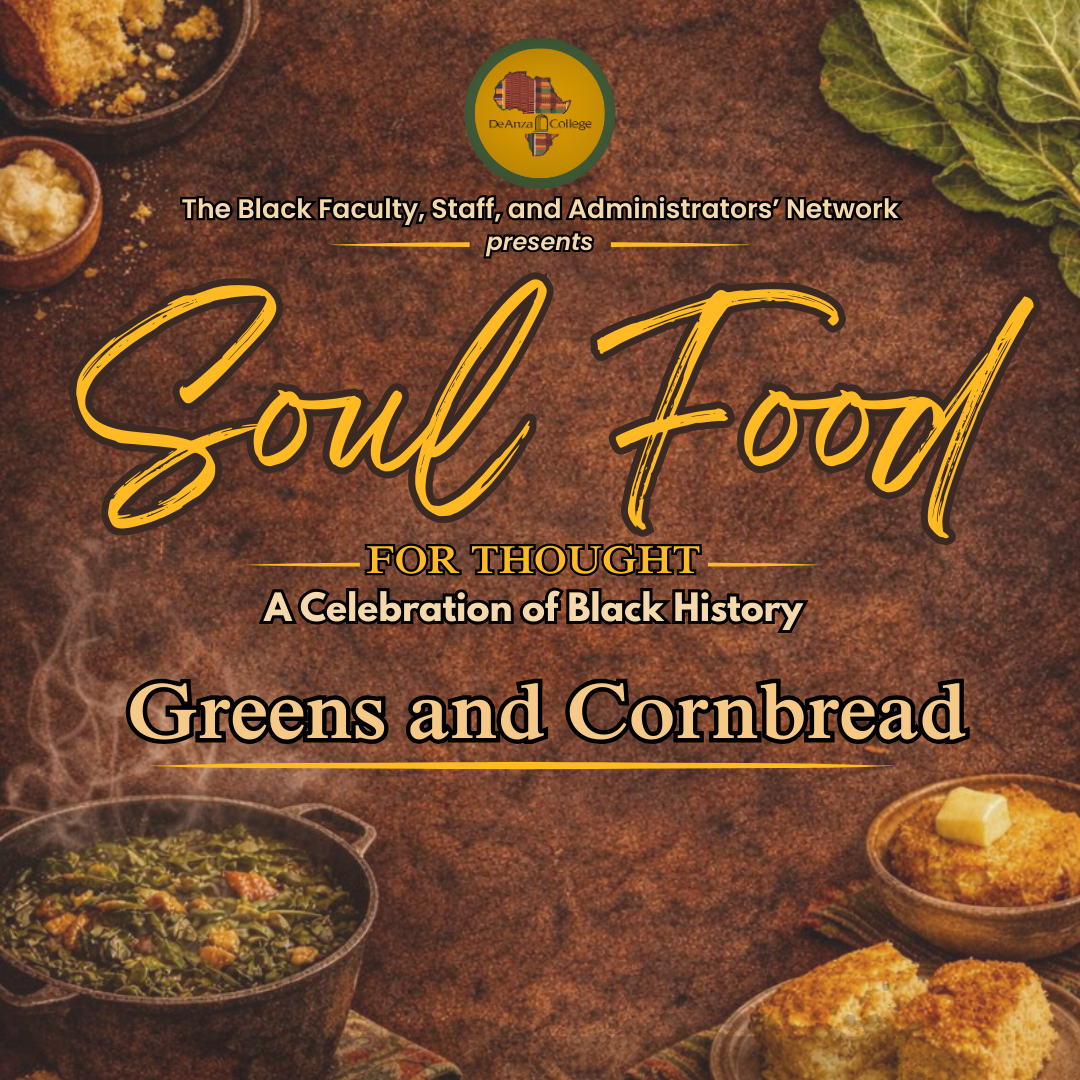 Greens and cornbread hold deep historical and cultural significance in African American
history, rooted in survival, resilience and community. Enslaved Africans were often
given leftover or less desirable cuts of food, including leafy greens like collards,
mustard, and turnip greens. Drawing on West African culinary traditions, they transformed
these ingredients into nourishing, flavorful meals using slow cooking, seasoning,
and shared knowledge passed down through generations. Cornbread, made from cornmeal
introduced through Indigenous and African food ways, became a staple because corn
was affordable, accessible, and filling.
Greens and cornbread hold deep historical and cultural significance in African American
history, rooted in survival, resilience and community. Enslaved Africans were often
given leftover or less desirable cuts of food, including leafy greens like collards,
mustard, and turnip greens. Drawing on West African culinary traditions, they transformed
these ingredients into nourishing, flavorful meals using slow cooking, seasoning,
and shared knowledge passed down through generations. Cornbread, made from cornmeal
introduced through Indigenous and African food ways, became a staple because corn
was affordable, accessible, and filling.
Greens and cornbread remind us that as Black people, we have always known how to nourish more than just the body. In seasons when resources were limited, our ancestors fed the mind with wisdom, the spirit with faith, and the community with love. From kitchens to church basements, we learned that what we prepare with intention can heal, restore, and sustain generations. This is our legacy turning what we were given into something life-giving, teaching us that even in struggle, we carry the power to nurture, uplift, and pour into one another.
Opie, F. D. (2008). Hog and Hominy: Soul Food from Africa to America. Columbia University Press.[
Where History Simmers: Gumbo, Jambalaya and Black Tradition
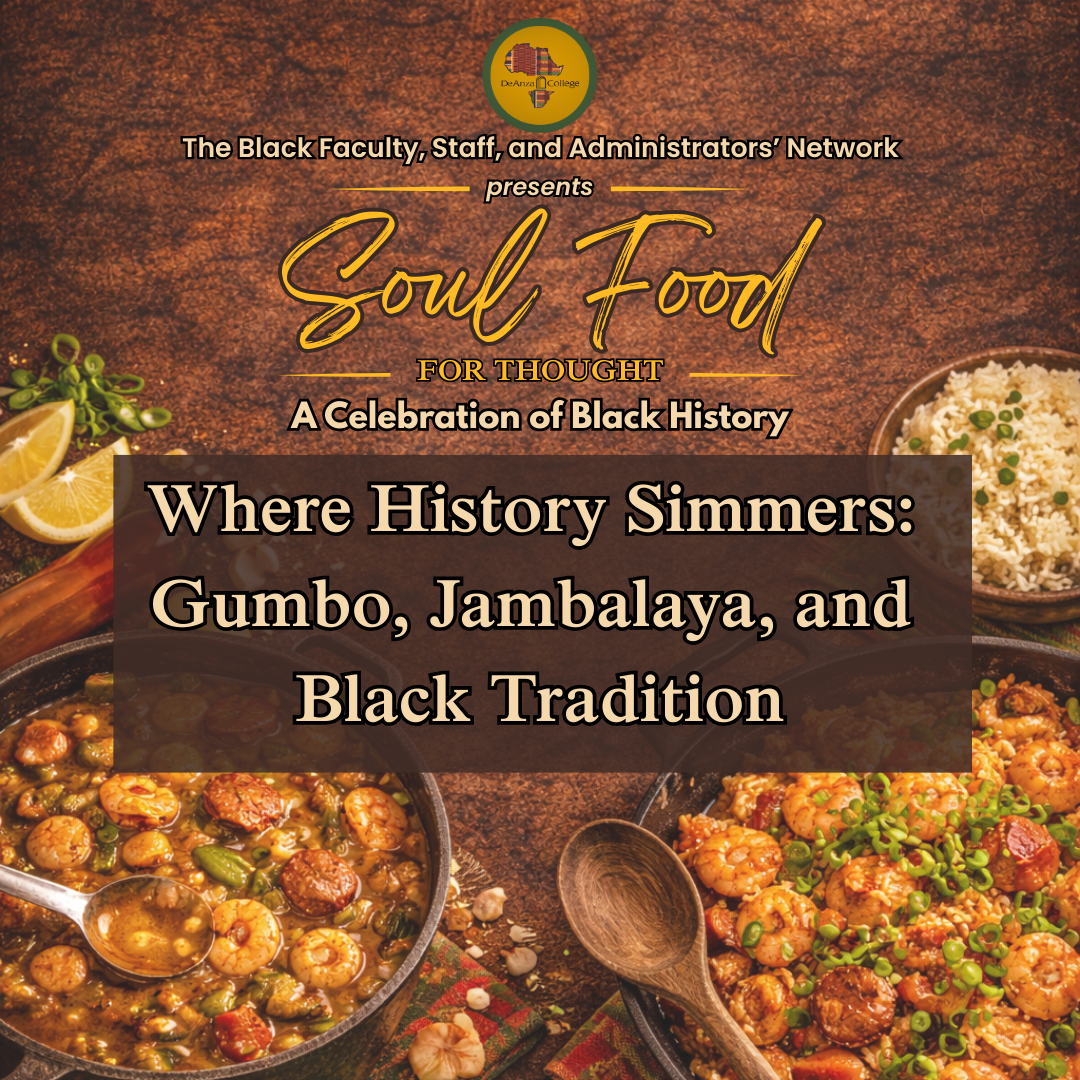 Gumbo: Where African Roots and Southern History Simmer
Gumbo is more than a Louisiana staple — it’s a reflection of Black survival, creativity and cultural memory. Its roots trace directly to West Africa, most clearly through okra, whose name comes from the West African word ngombo. Enslaved Africans carried this ingredient, along with deep culinary knowledge, into the Americas, where they blended African cooking traditions with Indigenous and European influences to create something entirely new.
What makes gumbo special is its flexibility. No two pots are the same, because the dish was shaped by what people had access to — seafood, sausage, rice or whatever could stretch to feed a family or a community. That adaptability mirrors Black life in the United States: layered, resilient, and built around togetherness. While Cajun and Creole styles developed over time, Black cooks remained at the heart of gumbo’s story, preserving African foundations while shaping a dish that tells a broader American history.
Jambalaya: A One-Pot Expression of Black Ingenuity
Jambalaya captures the rhythm of Black culture — bold, colorful, and constantly evolving. Its foundation lies in West African rice traditions, brought to Louisiana by enslaved Africans who were already skilled rice cultivators and cooks. Drawing influence from Spanish paella and French Creole cuisine, Black cooks adapted these elements into a one-pot dish that was practical, flavorful, and filling.
The mix of rice, vegetables, and proteins reflects the diversity within Black communities themselves. Whether prepared as Creole-style jambalaya with tomatoes or Cajun-style without them, the dish tells the same story: Black people took what was available and transformed it into something meaningful and lasting. Jambalaya stands as a reminder that Black culture doesn’t just survive — it creates, blends and thrives.
The FARMacy: Where Healing Grows
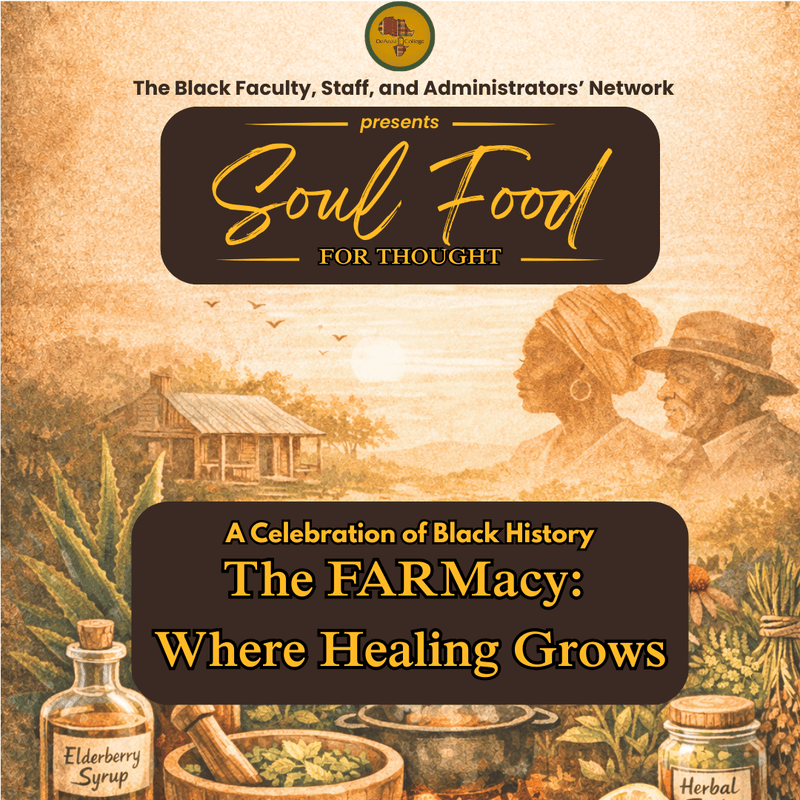 Have you ever considered your garden as a kind of “FARMacy”—a space where plants are
cultivated not only for nourishment, but also for healing? The practice of growing
herbs and preparing home remedies for common ailments is far from new.
Have you ever considered your garden as a kind of “FARMacy”—a space where plants are
cultivated not only for nourishment, but also for healing? The practice of growing
herbs and preparing home remedies for common ailments is far from new.
For many African American families, particularly in the rural South, this approach
to wellness was both tradition and necessity. Across generations, access to formal
healthcare was often limited or altogether absent. Geographic isolation, a shortage
of physicians, and deeply rooted mistrust of the medical establishment—shaped by historical
injustices—created significant barriers to care, some of which persist today.
In response, African American communities relied on knowledge systems carried from the African continent and adapted over time. Practices such as “working the roots,” identifying the medicinal properties of herbs, and making do with available resources became integral to community life. Gardens functioned not only as sources of food, but as sites of healing. Remedies were cultivated, prepared, and shared—often transmitted orally from one generation to the next—forming a body of knowledge grounded in resilience, observation, and lived experience.
Many people continue to embrace these traditions, sometimes without fully recognizing their historical and cultural origins. The practice of “growing our FARMacy” has endured as a testament to intergenerational wisdom and self-sufficiency. It remains an important aspect of wellness in many African American families today.
Home Remedy Recipes and Benefits
Provided by Deborah Taylor, BFSA Network Member
Benefits of Okra
- High in Vitamin A
- Aids Acid Reflux
- Promotes Healthy Skin
- High in Fiber
- Lowers Risk of Cataracts
- Regulates Body Temperature
- Helps Prevent Diabetes
- Prevents Constipation
- Aids Vision
- Treats Sore Throat
- Reduces Risk of Heart Disease
- Good Source of Vitamin C
- Stabilizes Blood Sugar
- Alkalizes the Body
- Treats Lung Inflammation
- Supports Colon Health
OKRA SOUP
Ingredients:
- 2 tablespoons oil
- 1 Onion chopped
- 3 Garlic cloves, chopped
- 1 cup chopped green onion
- 500 g okra, ends trimmed
- 6 Cups broth
- 1/4 Cup green coriander, chopped
- Salt and pepper
- 1 lemon juice
Instructions:
- In a saucepan, heat the oil over medium heat.
- Add the onions and garlic, stirring, and cook for about 5 minutes.
- Add the green onions and okra, stir.
- Add the broth, lemon juice, and salt and pepper.
- Bring it to a boil, reduce the heat, and cook for 30 minutes covered.
- Add cilantro and mix in.
- In a blender or hand blender, blend the mixture until smooth.
- Serve warm (with cornbread)
Provided by Deborah Taylor, BFSA Network Member
10 BENEFITS OF SASSAFRAS TEA
STYLECRAZE
- Good For Liver
- Good For Digestion
- Used As A Blood Thinner
- Diuretic Properties
- Cures Cold And Flu
- Relieves Adrenal Stress
- Treats Kidney Ailments
- Treats Skin Diseases
- Treats Bronchitis
- Fights Rheumatism And Arthritis
SASSAFRAS TEA RECIPE
- Boil 4 cups of water in a pot.
- Add 1-2 tablespoons of sassafras roots or leaves to boiling water.
- Simmer for 10-15 minutes.
- Strain and serve (enjoy hot or cold).
- Sweeten as desired with honey or sugar.